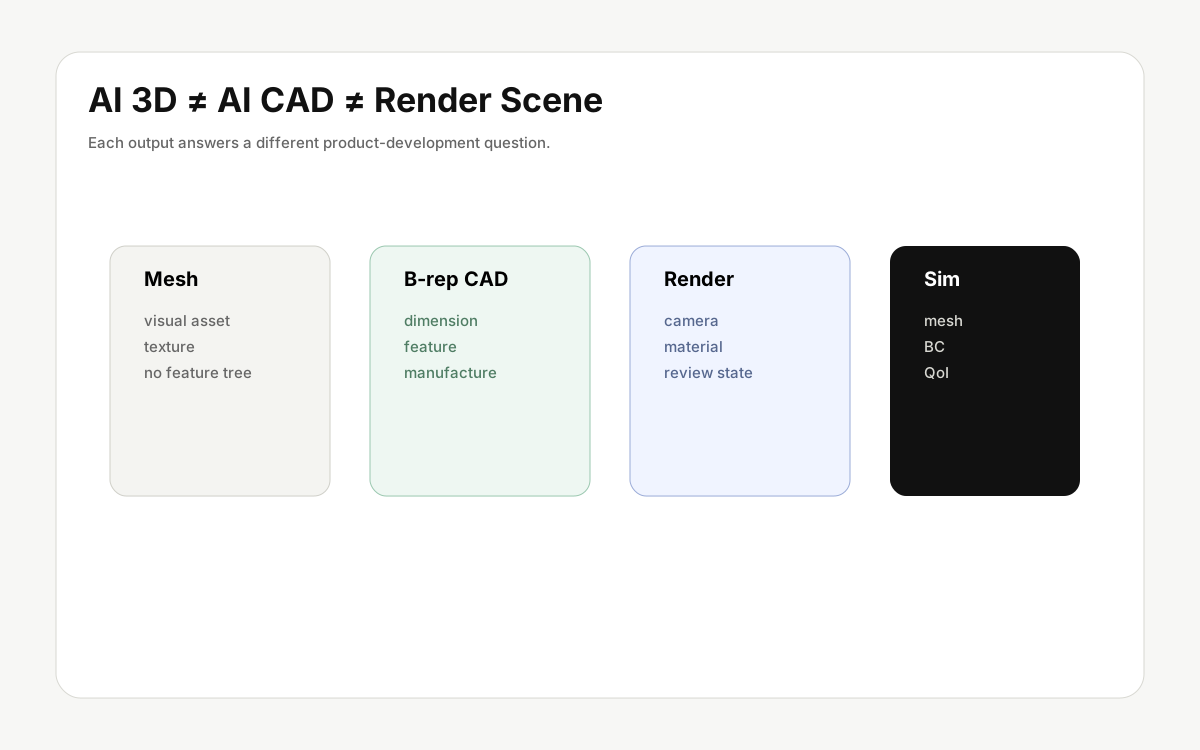
“AI 3D” describes several different outputs: textured mesh assets, radiance-field scenes, editable B-reps, parametric CAD sequences, and render scenes. Product teams need to separate them.
AI 3D asset generators are useful for concept exploration and visualization. Research such as Edify 3D focuses on generating textured, PBR-ready 3D assets. AI CAD has a stricter goal: editable construction history, dimensions, constraints, feature order, and manufacturable geometry. Work such as Text2CAD-Bench, DreamCAD, and GenCAD points in that direction.
RHXY treats these as connected stages rather than competing categories: Plan structures the idea, Sim helps review physical risk, and Render turns the product into scenes people can understand.